Fun Facts About Wine
You Probably Didn’t Know
O K, we confess that we didn’t know these facts — so we're assuming that you didn’t also! Read on and you can impress your friends at a wine-tasting party or when you go to visit that snobby "cork tease" uncle who thinks he knows everything.
- A 750 ml bottle of wine has a content of 80–85% water! Of course, grapes have naturally high water content, but it makes you think about some of those high prices…
- Grape skins contain high levels of melatonin, explaining why red wine (which is fermented with grape skins), makes you sleepy.
- Canada produces more ice wine than any other country in the world of which approximately 75% comes from Ontario,
- The average life of a grape vine is 40 years. With no disease and temperate weather, some grape vines can live over 100 years.
- A “cork tease” is someone who constantly talks about a great wine they are going to open, but never does!
- In general, drink dry wine before sweet, white before red and light before heavy in order to better discern a wine’s taste.
- Drank too much wine last night? Try coconut water to cure that hangover. With no fat and natural sugars, this beverage is high in electrolytes and naturally rehydrates the body.
- While red wine should be brought back up to room temperature when served, like white wine it should be stored in the refrigerator once opened to prevent it from deteriorating.
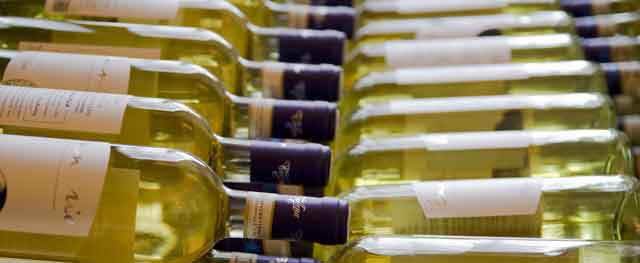
- It is essential to store wine on its side in order to prevent the cork from drying out. When a cork dries out it may shrink, allowing air to get into the wine — thus spoiling it. Sparkling wines and wines with a screwcap can be stored upright because this problem does not arise.
- Though quite counterintuitive, white wine can be poured over a red wine stain to remove it. After the area is saturated with white wine, blot the area with a clean dry towel. The white wine will dilute the red pigmentation and ultimately make the stain easier to remove. The problem with this technique is that you waste more wine then you already did when you spilled it in the first place, so we cannot fully endorse this method.
- When you swirl your wine, legs are the remnants of wine that drip down the side of the glass. They are an indication of what? Alcohol levels. They are due to the fact alcohol has a lower surface tension than water. Wine with “great legs” is high in alcohol content and is full bodied.
- If you store wine at too cold a temperature it can dull the flavors in the wine. 55°F is ideal. On the other hand, if you store the wine at too warm of a temperature, the wine will age at an accelerated rate — and may deteriorate before it can reach its peak. Remember though, this is not the proper temperature to serve red wine — so make sure to bring it down to room temperature before serving!
- Do you have a special bottle that you’ve been saving for years/decades? Well, we hope you have a penchant for salad, because that’s probably what that wine will be good for…a nice vinegar! Did you know that over 90% of all wines should be drunk upon purchase, or at least within a year? Only 1% of the world’s wines should be kept for over 5 years.

Copy these prompts. Paste them into your favorite AI application. Get more information.

Wine Science & Chemistry
Why does red wine contain more melatonin than white wine, and how does that affect sleep?
How does the alcohol content in wine affect its "legs" or tears, and what else influences this phenomenon?
What chemical changes occur in wine as it oxidizes and turns into vinegar?
Why do tannins in grape skins affect the aging potential of red versus white wine?
How does temperature affect the chemical stability and flavor compounds in wine?
Wine Production & Grapes
What makes ice wine unique, and why is Canada particularly suited to producing it?
How does the age of a grape vine affect the quality and flavor of the wine it produces?
What are the oldest wine-producing grape vines in the world, and where are they located?
What is the difference between wine made from old vines versus young vines?
How do different fermentation methods (e.g., with or without skins) change the final wine profile?
Wine Storage & Servingh
What are the best practices for long-term wine storage at home?
Why is 55°F considered the ideal temperature for wine storage, and what happens outside that range?
What types of wine benefit from decanting, and how long should they breathe?
What is the difference between storing screw-cap wines and cork-sealed wines?
How do wine refrigerators differ from regular refrigerators for preserving open bottles?
Wine Myths & Practical Tips
Does white wine actually remove red wine stains, or is that a myth?
What are the most effective remedies for a hangover, and how does coconut water compare?
What is the origin of the phrase "cork tease," and are there other wine-related social terms?
Why are some wines meant to be aged for decades while most are not?
What is the difference between "serving temperature" and "storage temperature" for red wine?
Wine Culture & Trivia
What are the most expensive wines ever sold, and why were they so valuable?
What are some unusual or extreme wine-producing regions in the world?
How did wine-drinking etiquette evolve in different cultures?
What are some famous historical figures known for their love of wine?
What are the most common misconceptions about wine that even enthusiasts believe?
Some suggested AI sites are: ChatGPT, Claude.ai, Perplexity.ai, Deepseek and others.
By D Revelins
Photo Credits: See Acknowledgements