How to Measure Children
C
hildren grow really fast and taking accurate measurements every few months ensures that any new clothes will fit perfectly. When taking measurements, make sure the child is not wearing thick clothing — if possible, measure them in their underwear. Remember that children grow in spurts so buying clothing with adjustable straps and waistbands will fit them for much longer.
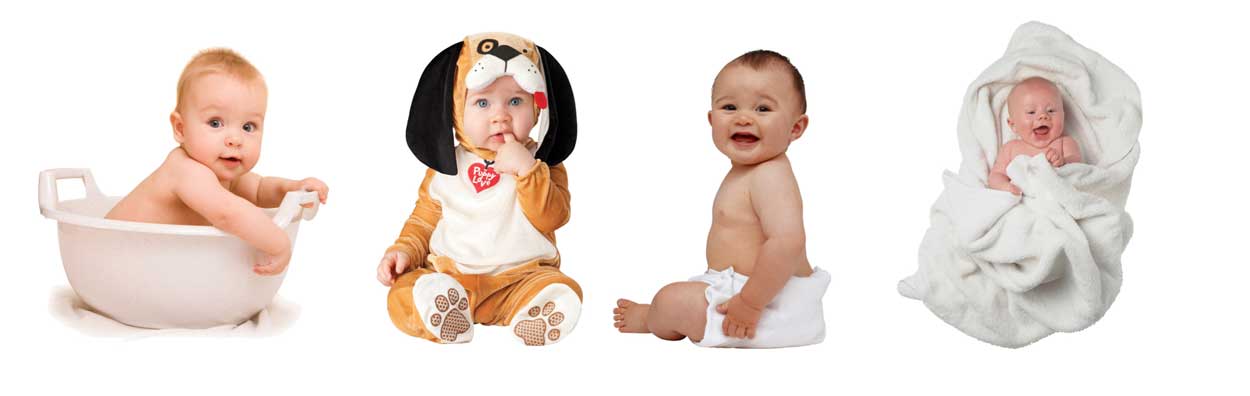
Lay your baby on their back and measuring their length from head to toe using a tape measure. This chart from the American Center for Disease Control shows average weight and clothing sizes for babies.

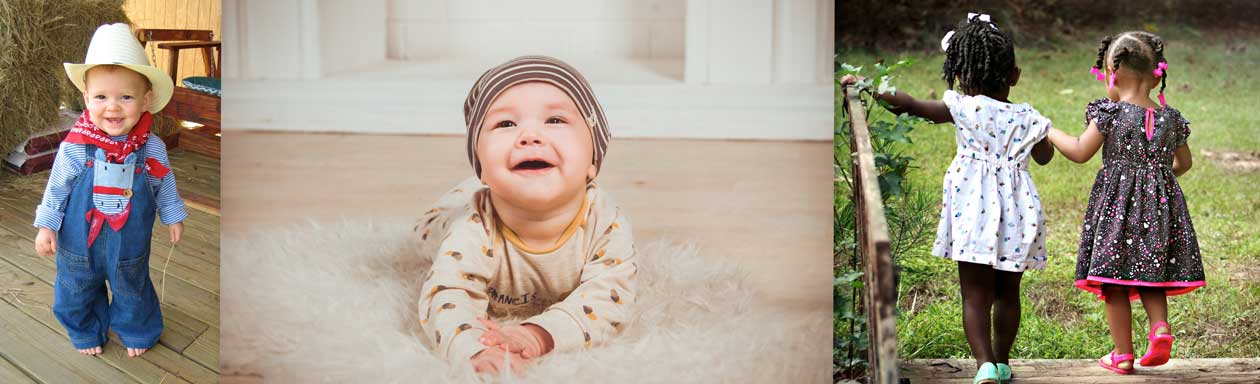
Have the child stand against a wall and measure their height, marking the wall at the top of his or her head lightly with a pencil (like in the old days!), or measure them from head to foot with a measuring tape.
With the child's arms down, wrap the measuring tape under the arms and across the fullest part of their chest and shoulder blades, making sure the tape is parallel to the floor. Leave a two finger gap to allow for room to move in the garment.
Measure around the natural waistline, slightly above the navel and again, add a two finger allowance for movement.
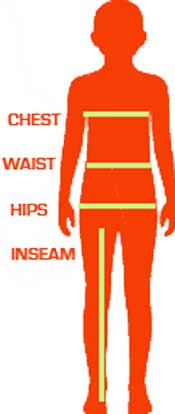
Measure around fullest point of the buttocks and hips, always holding the tape parallel to the floor.
The easiest way is to measure a pair of pants that fit the child well. Measure along the inseam from crotch to bottom of leg hem. If pants are not available, measure from ankle to groin while the child is standing.

Young feet grow at a rapid rate (even up to 2 shoe sizes in a year). To get an accurate measurement, have the child stand on a piece of paper and keeping the pencil or pen straight, trace around the circumference of the foot. Then, with a ruler measure that outline’s longest distance (toe to heel) — that is their shoe size.
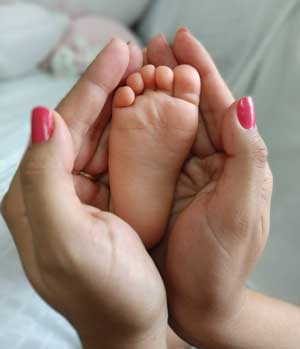
Wearing the wrong size shoes can cause irreversible foot deformities, so it’s important that you measure your child’s feet correctly. (Babies should only start to wear shoes when they begin walking.) Also, look for shoes made from natural materials such as leather to allow for air circulation and prevent sweating. Plastic shoes may look cute but they are NOT OK.
There should be at least a 3/4 inch space in the shoe to allow for “wiggle room” and growth. Don’t rely on what the shoe size says — take measurements yourself. The length of the sole is NOT an indication of how much room is on the inside of the shoe (lining, seams).
Here’s a link to a handy printable foot size chart for kids 1–6 years old: blitzresults.com
The following link has extensive charts and lots of info on International conversion sizes: blitzresults.com
Copy these prompts. Paste them into your favorite AI application. Get information.

Prompts for More Detailed Instructions
"How do I measure a child’s chest if they are moving or anxious during measuring?"
“"What’s the best way to measure a baby’s length if they won’t lay flat?"
"Can you explain how to measure a child’s inseam without existing pants?"
"How do I measure shoe size for a toddler who won’t stand still?"
Prompts for Clothing Fit & Sizing
"What are signs that a child’s clothes are too tight or too loose?"
"How often should I measure my child for clothing sizes?"
“"Are there adjustable clothing brands you recommend for growing children?"
“"How do I convert U.S. children’s clothing sizes to European sizes?"
Prompts for Footwear & Shoe Safety
"What are the risks of children wearing shoes that are too small or too big?"
"How can I tell if my child’s shoes still fit properly?"
"What are the best shoe materials for children’s foot health?"
"Do you have a printable foot measuring guide for infants under 1?"
Prompts for Growth Tracking & Charts
"Where can I find growth charts for children older than 6 years?"
“"How do I track my child’s height and weight over time?"
"Are there digital tools or apps for tracking children’s measurements?
Prompts for Special Cases
"How do I measure children with special needs or physical disabilities?"
"What should I consider when measuring for winter or layered clothing?"
"How do I measure for swimwear or athletic wear for kids?"
Prompts for International Sizing
"Can you explain how to use the blitzresults.com conversion charts for international shoe sizes?"
"How do I measure for children’s clothing when shopping from international brands?"
Let me know if you’d like me to expand on any of these topics or find more specific resources!
Some suggested AI sites are: ChatGPT, Claude.ai, Perplexity.ai, Deepseek and others.
By D Revelins
Photo Credits: See Acknowledgements