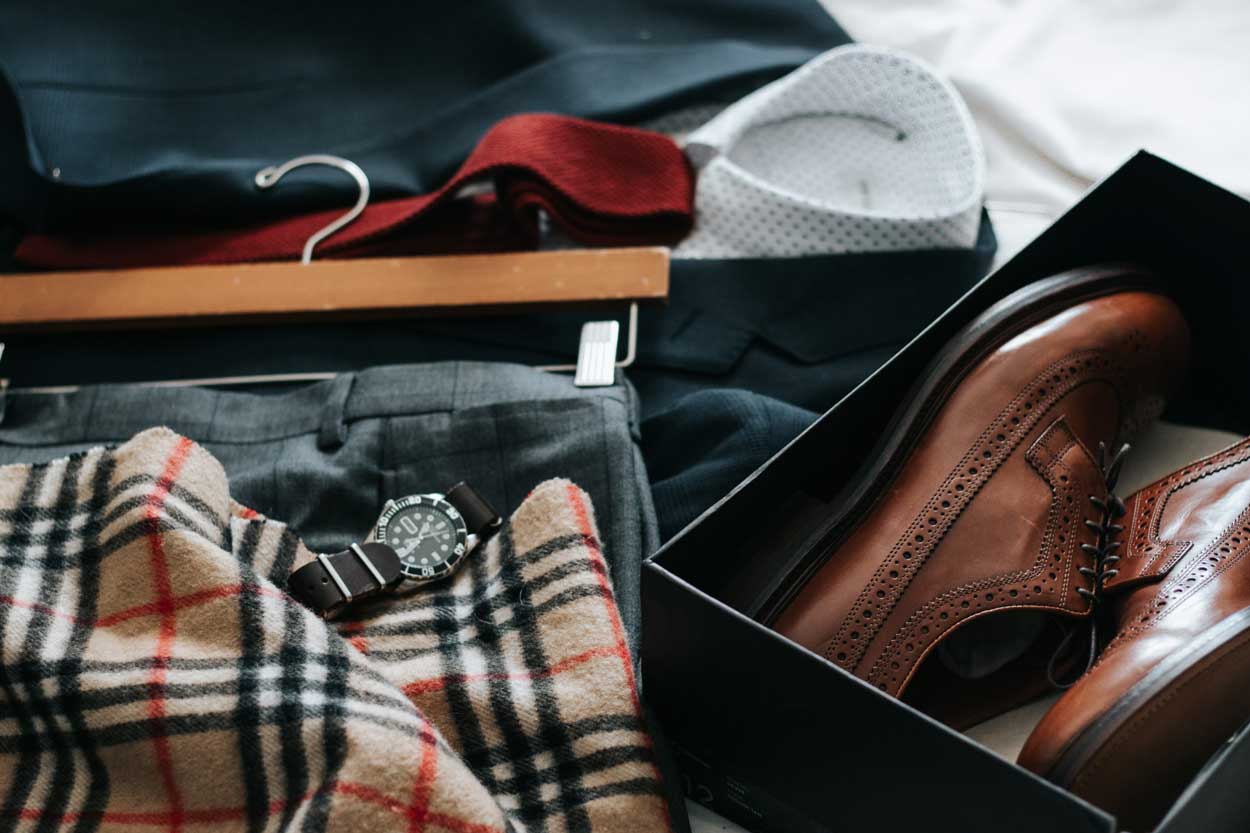
Wardrobe Essentials for Men
Most men don’t like to shop for clothing. Period. End of statement. The only time a man is actually looking forward to buying anything to wear is if it has to do with sports. (Yes, we realize there are exceptions.)
Not true, you say? Men — we dare you to look in your closet and pick 10 items that were not chosen for you by a female (sorry, underwear, socks and ties don’t count).
The key to wise money spending is to buy the best quality you can afford and to buy "classic". These items will still make you look great years from now. Keeping things in solid, neutral colors is the key to an amazing wardrobe foundation with great versatility.
Remember, fit is the most important. Don’t waste money on something if it doesn’t fit well (and don’t fill your closet with items that will fit you after you "lose those 20 pounds").
Style varies, so we’ve given you what we consider to be the basics of a great wardrobe that you can build upon with other pieces that reflect your own style and personality.
Here is a sure-fire list of must-have pieces that:
- work with other items in your wardrobe, allowing you to mix and match.
- can be worn in (almost) any situation — casual, business, funerals, etc.

A great casual look when jeans are not a possibility. Try to stay away from too many zippers and pockets…less is more.
Click here for North American and European PANT sizes
You can’t go wrong with a good quality jean. These can be worn to look casual OR elegant, depending on what they are paired with. Get the darkest blue possible and don’t go with the lighter jeans — they always look like you should be gardening or moving furniture (LOL).

Get one each in white, black and grey (no logos). Buy high-quality cotton and replace them when they start to look worn-out. You can also wear these as undershirts when the weather gets cold.
Buy the best quality you can afford. Cheap material will shrink, stretch out of shape and pill after a few washings.
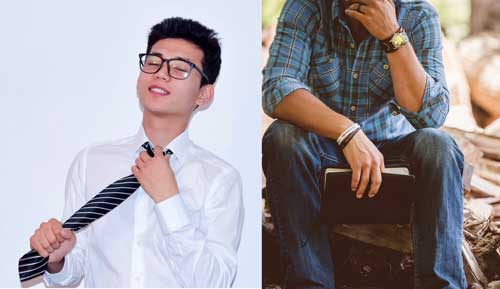
Get more than one. This is always an essential and can be worn to a wedding or a barbeque. If you wear one without a jacket, roll up the sleeves for a more casual look.
Plaid shirts are great for Fall and Winter. Pick a complimentary color shade in your plaid to select other clothing for the rest of your outfit. A solid tie always works with it. Make sure not to mix patterns.
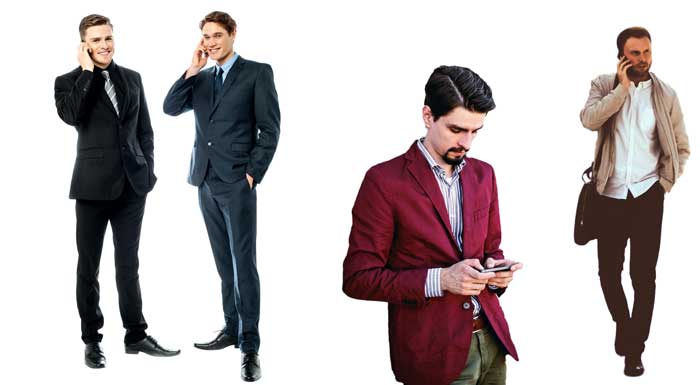
Every man needs one. It can be worn at weddings and funerals, yet is still appropriate for daytime when properly accessorized. The jacket/blazer can also be worn with anything else and look presentable.
Click here for men's suit, sweater and coat sizes
It should look like it doesn’t come from a suit. Try corduroy or tweed for a vintage look.
These look great on every man. However, if you are on the heavy side, don’t zip the jacket up — it will draw attention to your mid-section. Choose a simple slim-fit option (no extra material ballooning around the waist).
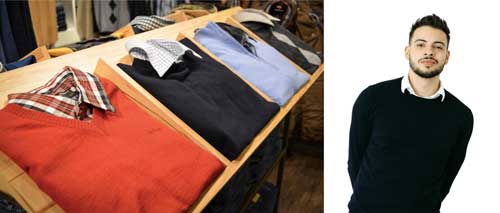
Never wear them with shorts or over t-shirts and stick to safe, neutral colors.
Wear these over t-shirts. Make sure they fit well and are no longer than your belt buckle area. If you’re a heavier build, always wear them as a layer (under a jacket or blazer).
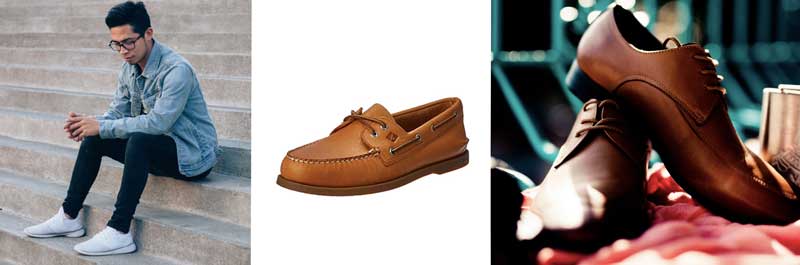
Once only worn for sports, these have come to be acceptable footwear for workplace and even formal events if the styling is right.
These can be worn with or without socks (the jury is still out) and go with anything (except a suit) when jeans are not an option.
Click here for Men's shoe sizes worldwide
They're very traditional, but make the "look" of your outfit. Buy one in each color, if possible.
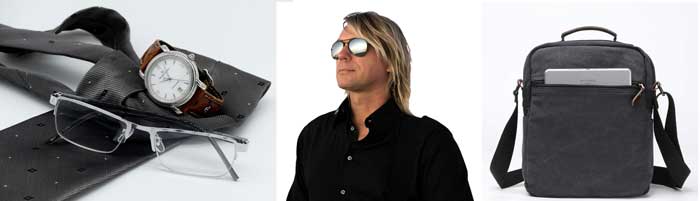
Have at least one that goes with everything.
Keep this item fairly simple so you can wear it with everything (not Micky Mouse or digital, please).
Black, brown and tan are reliable colors. Choose a style that fits your needs (i.e. to hold an ipad).
If your pants have loops, wear a belt. Get one with a standard belt buckle with a single frame and prong and not thinner or wider than 1.5 inches. This will be good for all occasions. Buy the next size up from your pants waist size.
When dressing, choose one item in your outfit in a standout color and make all the others a neutral tone (black, white, navy, tan, grey and charcoal). Add some basic extension colors like brown, dark green, maroon and olive for interest.
Copy these prompts. Paste them into your favorite AI application. Get more information.

Fit & Tailoring
“What are the key signs that a piece of clothing fits well for men—specifically for dress shirts, suits, and jeans? How much does tailoring typically cost for common adjustments?”
Fabric & Material Quality
“How can I identify high-quality fabric in men’s clothing, especially for items like polo shirts, dress shirts, and sweaters? What are the best materials for durability and comfort?”
Color Coordination & Capsule Wardrobes
“Can you provide a visual guide or examples of how to build a capsule wardrobe for men using neutral colors? How do I effectively incorporate ‘standout colors’ without clashing?”
Seasonal Wardrobe Transition
“What are the essential clothing items for men to transition from summer to fall/winter? How can I layer pieces like sweaters, jackets, and shirts effectively?”
Dress Codes & Occasion Outfits
“What should men wear for different occasions such as business casual, smart casual, weddings, and funerals? How can I make a dark suit work for both formal and daytime events?”
Shoe & Accessory Pairing
“How do I match shoes and belts appropriately? When is it acceptable to wear sneakers in formal or business settings? What are the rules for wearing watches and sunglasses with different outfits?”
Some suggested AI sites are: ChatGPT, Claude.ai, Perplexity.ai, Deepseek and others.
Sustainable & Budget-Friendly Shopping: “What are some tips for building a quality men’s wardrobe on a budget? How can I shop sustainably—what materials and brands should I look for?”
Grooming & Personal Style: “How does grooming (hair, skincare, fragrance) complement a well-curated wardrobe? What are some ways to develop a personal style while sticking to classic essentials?”
Care & Maintenance: “How should I care for different types of fabrics like wool, cotton, denim, and leather to make my clothes last longer? What are common laundry mistakes to avoid?”
Body Type-Specific Advice: “What clothing styles work best for different male body types (slim, athletic, heavy-set, tall, short)? Are there specific cuts or fits to look for or avoid?”
By D Revelins
Photo Credits: See Acknowledgements