The Cook’s Herb Garden
I f you have a friend who loves to cook, a selection or a planter of culinary herbs is a wonderful gift. Herbs are among the easiest plants to grow. If space is limited, they can fill up some containers and place them by the kitchen door, or even bring them inside on a sunny windowsill, and enjoy their spicy, sweet and fruity scents and flavors throughout the year.
These “foodies” will appreciate the amazing variety of flavors fresh herbs will offer, right at their fingertips. Add a small book with herbal recipes for additional information.
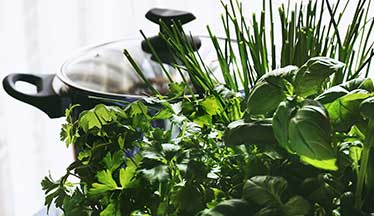
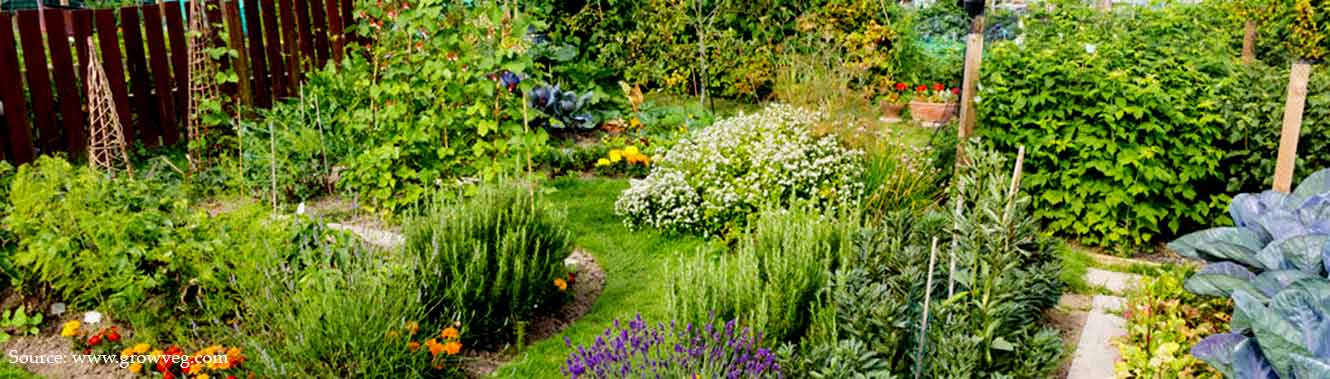
I grow my favorite herbs in a raised garden bed and also have a pot of basil growing in my kitchen window, but my best friend grows everything she loves in various pots on her backyard deck. Either way, we both enjoy snipping these fragrant wonders whenever we want to take our recipes to the next level.
Nothing is more satisfying than stepping out your kitchen door, and picking fresh herbs to use as an aromatic topping on a salad, or to enhance the flavor of that icy pitcher of tea. And what could taste zestier than homemade pesto or spaghetti sauce made with some freshly chopped basil?
A first-century cookbook by Apicius, a Roman epicure who experimented with various combinations of herbs and flowers, stressed the importance of adding exciting flavors to foods, thus enhancing the culinary experience. In modern times, the growing interest in the cuisine of other cultures, and the desire for a more balanced ecology has created a boom in this area of the restaurant and gardening industries.
The following info will be helpful when picking out plants to give as a gift or starting an herb garden of your own.
Even the novice gardener can enjoy the flavorful rewards of a kitchen herb garden. Don't be overwhelmed by the seemingly endless array of plants at the garden centers. Start by growing the herbs that reflect your favorite type of cooking, and then slowly expand your garden by adding new herbs, and experimenting with new flavors and textures. French food enthusiasts would choose tarragon, thyme, chives, chervil, and sorrel to add to their classic dishes, while Italian cooks might prefer basil, marjoram, oregano, and rosemary.
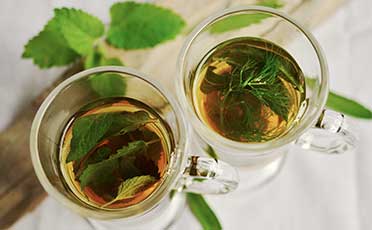
Many herbs have edible flowers that add color, as well as flavor to recipes. Use violet, chive, thyme, lavender, and rose flowers or petals, as food decorations. Leaves of bergamot, mint, sage, and chamomile are delicious in various combinations as soothing teas.
Herbs can be used either fresh or dried; use about three times more fresh herb than dried — the oils that produce the flavor become more concentrated as a leaf dries. When cooking, it is best to add fresh herbs toward the end of the cooking process so that the subtle flavors are retained.
Herbs are fast growing, hardy, and typically pest- and disease-free. Most (except French tarragon and oregano) can be easily started from seed, although only a few herbs, including basil, chives and dill are sown directly into the garden. Because many herb seeds are small and hard to sow, it is easier to start seeds in small trays or peat pots, and transfer them to the garden when they arc about 4 inches (10 cm) tall.
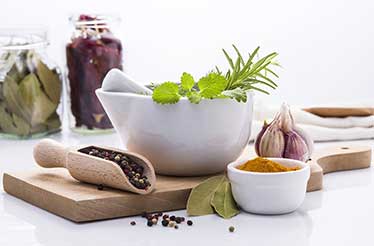
Plants can also be obtained from garden centers; look for leaves with vibrant color, strong stems, and new growth. Two or more plants of each desired variety should produce enough to keep even the most ardent cook happy.
Herbs generally do well with at least six hours of sun a day and, as long as drainage is adequate, can thrive in not-so-fertile ground. Fertilize mid-season with 20-20-20, or add one or two inches (2.5 to 5 cm) of compost to the herb bed. Beds should never measure more across than you can comfortably reach from any side. Keep picking and pinching off topmost leaves regularly. This promotes new growth and prevents flowering, which uses up the plant's energy and diminishes flavor.
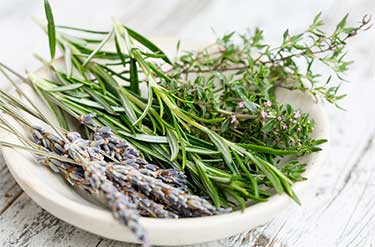
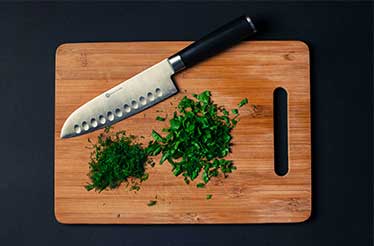
For the best flavor, gather herbs early in the morning, before the heat of the midday sun dries a lot of the plant's essential oils. Wash gently, swirling in lukewarm water, and pat dry between paper towels. If not used immediately, herbs can be put in sturdy plastic bags and placed in the freezer until needed. Drying herbs is also easy; just tie sprigs of the same herb together, and hang upside-down in a well-ventilated spot. A paper bag, loosely tied around the bottom, will catch stray seeds or flowers as they become brittle and fall off. When the bundles of herbs are ready, just cut off the stalks, and the herbs are already bagged and ready for labeling!
Many cooks recommend storing dried herbs as whole leaves, waiting to crumble until just before using. If you find yourself reaching for the same seasonings 'thyme and thyme' again, premix your herbs in bulk and store in closed jars in a dark, dry area so they will be ready to use at a moment's notice.
The main thing is — don't be afraid to experiment with various herbs — you might transform an ordinary dish into a culinary delight.
Basil
- Type: annual
- Site: sun
- Flavour: clove-like spiciness with a hint of mint
- Complements: chicken, fish, pasta, beans, vegetables
Chive
- Type: perennial
- Site: sun, p. shade
- Flavour: mild, onion-like
- Complements: soft and cream cheeses, cucumbers, fish, salad, eggs, soups, potatoes
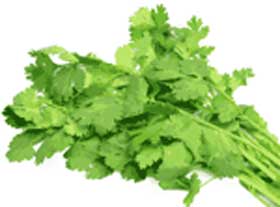
Coriander
- Type: annual
- Site: sun
- Flavour: earthy, pungent, lemony
- Complements: salads, sauces, soups, salsa, chili

Dill
- Type: biennial
- Site: sun
- Flavour: spicy, lemony
- Complements: potatoes, vegetables, eggs, sauces, soups, seafood, poultry
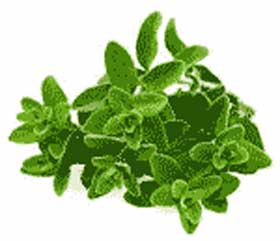
Marjoram
- Type: annual
- Site: sun
- Flavour: sweet, yet spicy, mild oregano taste
- Complements: beans, vegetables, beef, eggs, sauces, stuffing
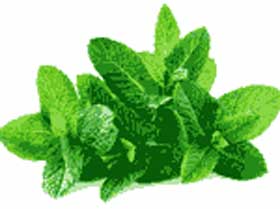
Mint
- Type: perennial
- Site: sun, p. shade
- Flavour: strong, cool aftertaste
- Complements: teas, fruit, meats, vegetables, jellies, saucess
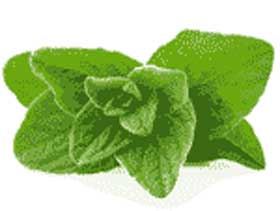
Oregano
- Type: perennial
- Site: sun
- Flavour: pungent, peppery, bitter undertones
- Complements: pork, poultry, stews, vegetables, eggs, tomatoes, pizza, pasta sauces

Parsley
- Type: biennial
- Site: sun, p. shade
- Flavour: mild, refreshing
- Complements: salads, meat, fish, potatoes, soups, eggs
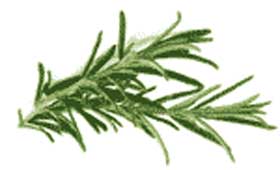
Rosemary
- Type: annual
- Site: sun
- Flavour: bittersweet, pine-like
- Complements: lamb, poultry, stew, vegetables, vinegars, potatoes
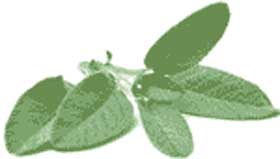
Sage
- Type: perennial
- Site: sun, p. shade
- Flavour: strong, slightly bitter
- Complements: poultry, stuffings, pork, veal, cheese, fish
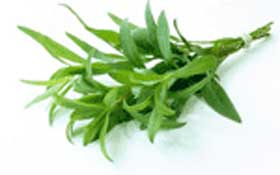
Tarragon
- Type: perennial
- Site: sun
- Flavour: anise-like, delicate
- Complements: veal, fish, poultry, eggs, sauces, vinegars
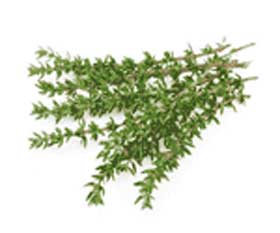
Thyme
- Type: perennial
- Site: sun
- Flavour: a pungent, clove-like or citrusy
- Complements: seafood, poultry, stews, soups
Copy these prompts. Paste them into your favorite AI application. Get more information.

Companion Planting for Herbs: Explain which herbs grow well together and which should be kept apart in a garden for better growth and pest control.
Troubleshooting Common Herb Problems: List common pests and diseases that affect herb plants (like basil, mint, rosemary) and provide organic solutions to treat them.
Advanced Herb Preservation Methods: Beyond drying and freezing, what are other methods to preserve fresh herbs (e.g., herb-infused oils, vinegars, butters, or salts)?
Growing Herbs IndoorsYear-Round: What are the best herbs to grow indoors in pots, and what are the ideal light, temperature, and watering conditions for each?
Herbs in Different Cuisines: “For each of the following: cuisines—Thai, Mexican, Indian, and Middle Eastern—list the essential herbs used and how they are typically incorporated into dishes.”
Medicinal Uses of Culinary Herbs: “Besides cooking, what are some traditional or modern medicinal uses for common herbs like mint, sage, thyme, and rosemary?”
Designing a Themed Herb Garden: “How would you design a small herb garden themed around ‘Italian cooking,’ ‘tea herbs,’ or ‘pollinator-friendly herbs’?”
Propagating Herbs Without Seeds: “How can you propagate herbs like rosemary, mint, and basil from cuttings or division instead of seeds?”
Soil and Fertilizer Recommendations: “What type of soil mix is best for container herb gardening, and how often should different herbs be fertilized?”
“Seasonal Herb Gardening Guide: “Create a month-by-month calendar for planting, maintaining, and harvesting herbs in a temperate climate.”
Creative Culinary Uses for Less Common Herbs: “What are some unique recipes or uses for herbs like lovage, lemon balm, savory, or borage?”
History and Cultural Significance of Herbs: “Explore the historical and cultural significance of herbs like rosemary, basil, and thyme in ancient civilizations (e.g., Egypt, Greece, Rome).”
“Herbs in Beverages: “How can fresh or dried herbs be used to enhance drinks like cocktails, mocktails, teas, and infused waters?”
Herb Garden Layouts for Small Space: “What are some creative layouts or vertical gardening ideas for growing herbs in small urban spaces like balconies or windowsills?”
Herbs for Aromatherapy and Home Use: “How can herbs like lavender, mint, and chamomile be used for homemade potpourri, sachets, or natural home fresheners?”
By D Revelins
Photo Credits: See Acknowledgements