Gifts and Allergies
T
hinking of bringing that plate of lovely homemade treats as a gift to your friend’s party? Stop right now and read this before you wrap up those nibbles. Even if you know that your friend doesn’t have any food allergies, do you know if anyone else coming to the get-together does? Most people will let a host know if they have severe reactions to certain foods, but perhaps they are allergic to other things, such as flowers or certain scents.
Holidays can be tough on people who have allergies, (especially children, who will feel “left out”) and buying or bringing gifts that may cause illness or just be re-gifted is not great for anyone. (Invite your friends to become your GyftBuddy and fill out the Questionnaire, especially the section on food allergies.) Try to make an activity the center of a get-together, not food. Most people are invited for lunch, dinner, or a party (all of which involve some kind of eating) — why not plan a bowling night or an afternoon of visiting a local art gallery? If you’re up to it, a scavenger hunt is loads of fun.
Even if you’ve been careful with ingredients and made the food yourself, people with severe allergies always worry about cross-contamination and will probably err on the safe side and be reluctant to eat it.
These are the 8 most common food allergies:

- Dairy
- Eggs
- Wheat (gluten)
- Nuts (especially peanuts)
- Eggs
- Soy
- Shellfish (crab, lobster, shrimp)
- Fish
Chocolate is a popular gift but is also notorious for containing dairy and/or nuts, so always read the ingredient labels before buying. Look for indications like "manufactured in a dedicated nut-free facility." The term "natural flavoring" can include anything from any natural food source.
Artificial scents can aggravate so be careful with gifts of scented candles, body lotions, soaps, essential oils, or anything with a strong fragrance. We’ve all been in situations where someone has overdone their perfume and sits down right next to us, right? Instant headache. In fact, many Community Centers and clubs have asked people to refrain from wearing cologne or perfumes.
Speaking of scents, many flowers have a high pollen count and can cause problems in people who have respiratory issues. Chamomile, chrysanthemums, daisies, goldenrod and sunflowers are some of the worst for allergies, and certain flowers like hyacinths and lilies that have a strong smell can trigger a migraine, or even nausea.
Wool and cashmere have been known to cause flare ups of eczema and even contact dermatitis, so don’t even think of anything made of these unless you are sure the person is not allergic. There may be a reason you've never seem them wearing wool. Even giving someone a watch may cause problems if they have a latex or metal sensitivity!
There are many gifts out there that will make someone with allergies very happy — not everything has to be food and scented products. All it takes is a little effort on your part.
- Depending on the person, an old-fashioned board game may be just the thing. Many are also on computer or Wii.
- An electronic chess game can bring immense enjoyment to someone who loves to play but has no one to play with.
- A magazine or other subscription to a favourite hobby or interest would be a nice touch (see our article on Subscriptions).
- Prepaid credit cards are one way to not have to worry the gifts will be returned. The person can buy what they like.
- A calendar
- Stationery
- Photo frames
- Sudoku or Crossword Puzzle Books
Check out these items to give for other food allergy gifts: etsy.com

The entire line of this company’s hand sewn stuffed toys is 100% certified organic and safe — contains no pesticides or chemicals. If you purchase, they will also give back and donate an organic teddy bear to a needy child. U.S.A.: bearsforhumanity.com
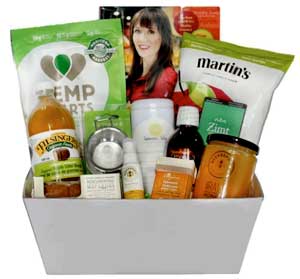
This Canadian gift basket company has a wide assortment of vegan, kosher, nut-free, organic and gluten-free snacks for any gift-giving occasion. You’ll find something for everyone. Check out this "anti-inflammatory lifestyle" basket — Julie Daniluk, well known health author of "Meals That Heal" has teamed up to curate this wonderful gift, filled with essentials. Canada: julesbaskets.com
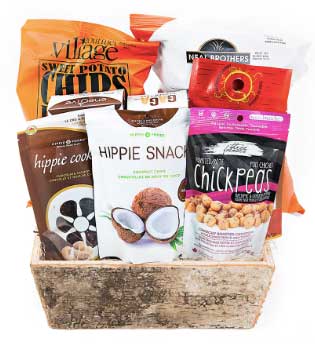
These tasty and unique treats are sourced from local vendors who offer amazing products while keeping prices at a minimum. The company also has their own brands and offers a delivery service. Check out this their website. Canada: whatabasket.com

This company has many different types of allergy-friendly baskets to choose from — gluten-free, nut-free, low glycemic, vegan, vegetarian. This particular basket is called “We’re Not Nuts” and the items in it are certified produced in a nut free facility, so as they say “You’ve got nuttin' to worry about”. USA: chelseamarketbasket.com
Copy these prompts. Paste them into your favorite AI application. Get more information.

For Understanding & Clarification
"Explain the difference between a food allergy and a food intolerance, and why the distinction matters in social situations."
"What does 'cross-contamination' mean in the context of food allergies, and how can it be prevented in a home kitchen?"
"List common, less-obvious terms on ingredient labels that indicate the presence of milk, eggs, or nuts (e.g., 'casein' for dairy)."
For Practical Planning & Gift Ideas
"What are some specific, safe gift ideas for a child with multiple severe allergies (like nuts, dairy, and eggs) for their birthday party?"
"Create a checklist for hosting an allergy-friendly gathering that is safe for guests with common allergies."
"Besides food and scents, what other common party or gift items (e.g., toys, decorations) could pose an allergy risk and what are the alternatives?"
For Deeper Research & Resources
"What are the symptoms of a severe allergic reaction (anaphylaxis), and what are the basic first aid steps to take?"
"Can you find and summarize guidelines from a reputable health organization (like the FDA or a national allergy foundation) on food labeling for allergens?"
"Research and list 3-5 other companies (like Bears for Humanity or Jules Baskets) that specialize in allergy-safe gifts or products."
For Expanding the Context
"How do cultural or regional food traditions impact people with common food allergies, and how can one navigate these situations respectfully?"
"What are some common 'hidden' allergens in non-food items like cosmetics, crafts supplies, or pet food?"
"Discuss the psychological or social impact of food allergies on adults and children, based on current studies or articles."
Some suggested AI sites are: ChatGPT, Claude.ai, Perplexity.ai, Deepseek and others.
By D Revelins
Photo Credits: See Acknowledgements