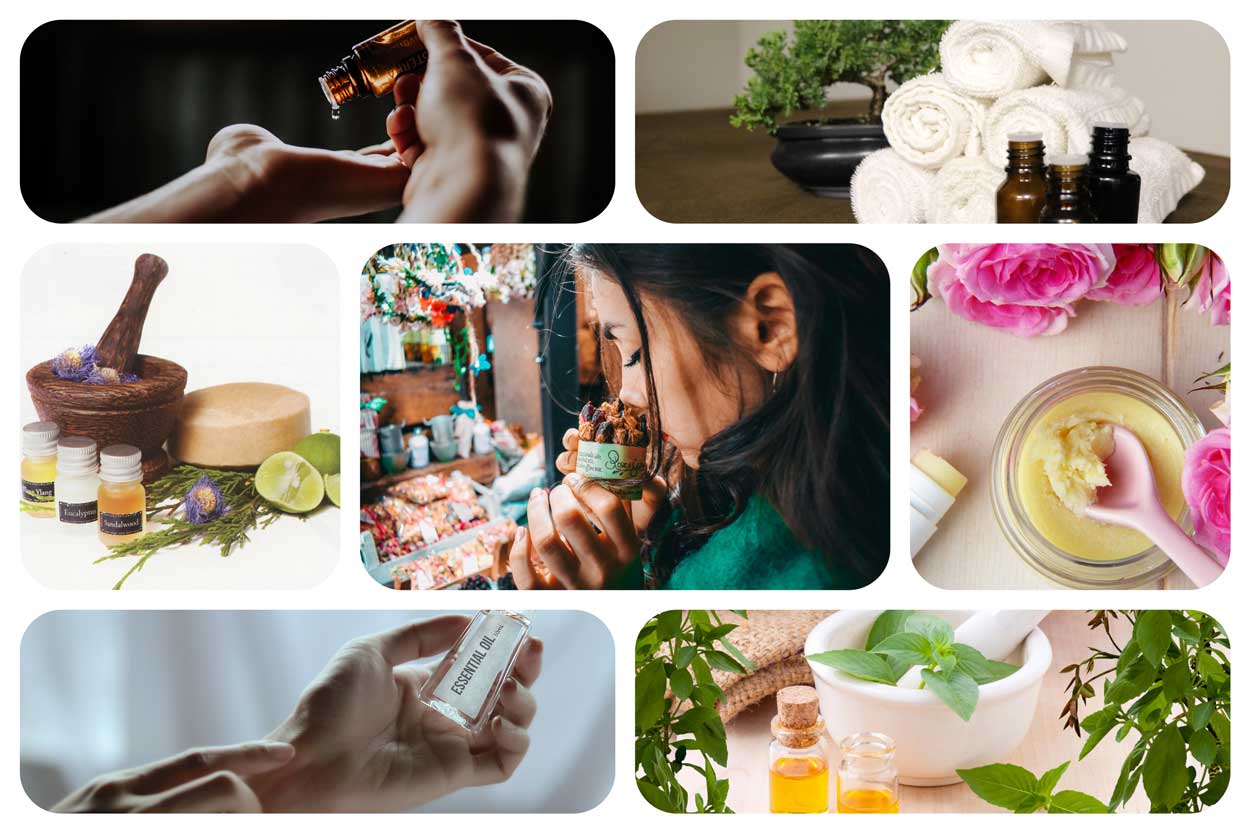
A Gift of Essential Oils
This article is for information only. Do not use it as a substitute for medical advice, diagnosis or treatment of any health condition. Always consult a qualified health practitioner.
E ssential oils (EOs) have been around for over 5,000 years and are a wonderful gift for everyone on your holiday list because there seems to be a perfect oil out there for almost every need.
EOs are highly concentrated organic compounds that are extracted from plants. The very small molecules in these oils can easily penetrate your cells and are used for healing. This practice is called Aromatherapy.
These oils can replace toxic cleaning supplies and harmful ingredients in beauty care products, and relax you during times of stress. Some other benefits claimed are: alleviate pain, heal skin conditions, balance hormones, and naturally support your immune system. They are now being used in various hospitals to treat both anxiety and infection in patients.
Some essential oils can be toxic when swallowed, so unless you are an expert (or consult with one), best not to use them internally. They are also best when combined with a carrier oil such as an almond or coconut oil.
We've been using essential oils for a couple of years now and can honestly say that we’ve benefitted from their healing properties. We use peppermint oil for help with digestion and rub it on our temples for headache relief.
We inhale eucalyptus oil when our sinuses feel stuffed up, and take oregano oil when we need to fight off colds and flu. We use orange or lemon oil in a diffuser when we need a pick-me-up and spray a lavender mist on pillows when we can’t sleep.
If you know which oils a person enjoys the most, consider giving them a gift set containing a few of their favorites.
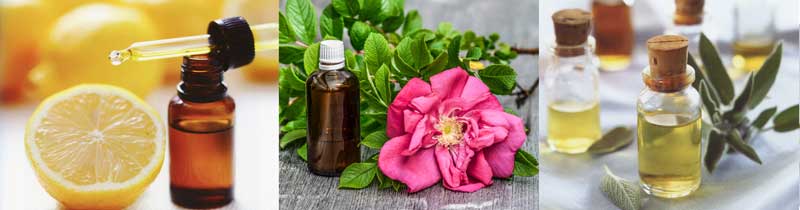
Here are 10 popular essential oils, along with their potential health benefits:
-
Eucalyptus:
- Improve respiratory issues like bronchitis, sinusitis and seasonal allergies with this oil. Many over-the-counter cough medicines are made with this. It can also help alleviate the pain from earaches.
-
Lemon:
- This EO is made from the lemon peel, not the fruit. It is great in homemade cleaning products and is a natural antibacterial. It’s refreshing scent is said to boost energy.
-
Oregano:
- This has powerful antimicrobial properties and can help you cut down on the effects of a cold, fast. A few drops in water has been shown to help battle E.coli and even staph, so take it with you when traveling.
-
Rosemary:
- Great to use when working, reading or studying this EO has been said to improve brain function and memory. It can also help naturally thicken hair, so add it to your homemade shampoos.
-
Tea tree oil:
- An anti-bacterial and anti-fungal, it is one of the few oils that can be applied directly to the skin and has been known to help with skin conditions like acne and eczema. When used in a diffuser, it’s effective in clearing up nasal congestion and can help stimulate the immune system.
-
Frankincense:
- This oil helps strengthen immunity, can reduce inflammation, help to heal age spots, and supports normal brain function. There are even claims that it may help fight cancer.
-
Clove:
- In early dentistry, this oil was used as an aid for toothaches, and can relieve the pain if rubbed on the gums. It’s best known for its antibacterial and antioxidant protection.
-
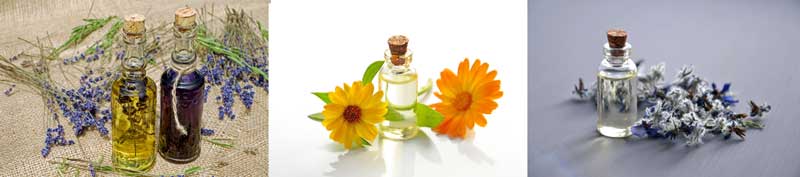
Chamomile:
- There are two types of chamomile EOs — Roman and German. Both varieties have good antiseptic and antibiotic properties and are used often in skin care products. Mainly known for helping with relaxation and digestive complaints, most people use dried chamomile as a tea.
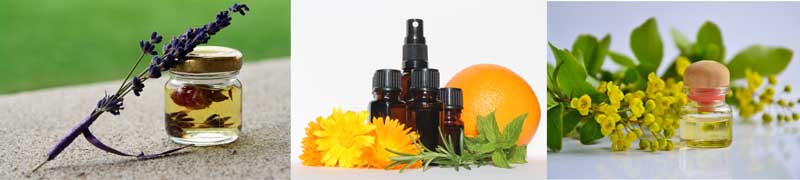
Blend essential oils together to create a special fragrance. They can also be blended with a carrier oil and used in body lotions, shower gels and for massage. It’s fun to experiment!
 Canada: amazon.ca
USA: amazon.com and Essential Oil Storage Box at amazon.ca and amazon.com
Canada: amazon.ca
USA: amazon.com and Essential Oil Storage Box at amazon.ca and amazon.com
Copy these prompts. Paste them into your favorite AI application. Get more information.

For More Science & Safety Information
“What does current scientific research say about the effectiveness of essential oils for pain relief, anxiety, or immunity?”
“What are the potential risks and side effects of using essential oils, especially with children, pregnant women, or pets?”
“How can I safely dilute essential oils with carrier oils? What are the recommended dilution ratios?”
For Practical Uses & DIY Recipes
“Can you share some DIY recipes for natural cleaning products using essential oils like lemon, tea tree, or eucalyptus?”
“How do I make a relaxing pillow spray with lavender or chamomile essential oil?”
“What are some simple essential oil blends for stress relief, focus, or better sleep?”
For Deeper Understanding of Specific Oils
“What is the difference between Roman and German chamomile essential oils?”
“How is frankincense oil produced, and what are its most evidence-backed uses?”
“Are there any essential oils that should be avoided if someone has high blood pressure, epilepsy, or sensitive skin?”
For Application Methods & Tools
“What types of essential oil diffusers are there, and which is best for different room sizes?”
“How do I properly store essential oils to maintain their potency and shelf life?”
“Can essential oils be used in homemade skincare? What precautions should I take?”
For Gifting & Blending Ideas
“What are some thoughtful essential oil gift sets for beginners?”
“How do I create a custom essential oil blend for a personalized fragrance?”
“What carrier oils work best for making massage oils or roll-on blends?”
For Comparisons & Alternatives
“How do essential oils compare to traditional medicine for treating minor ailments like headaches or congestion?”
“What are some good alternatives to essential oils for people with allergies or sensitivities?”
“Can essential oils interact with prescription medications?”
Some suggested AI sites are: ChatGPT, Claude.ai, Perplexity.ai, Deepseek and others.
By D Revelins
Photo Credits: See Acknowledgements