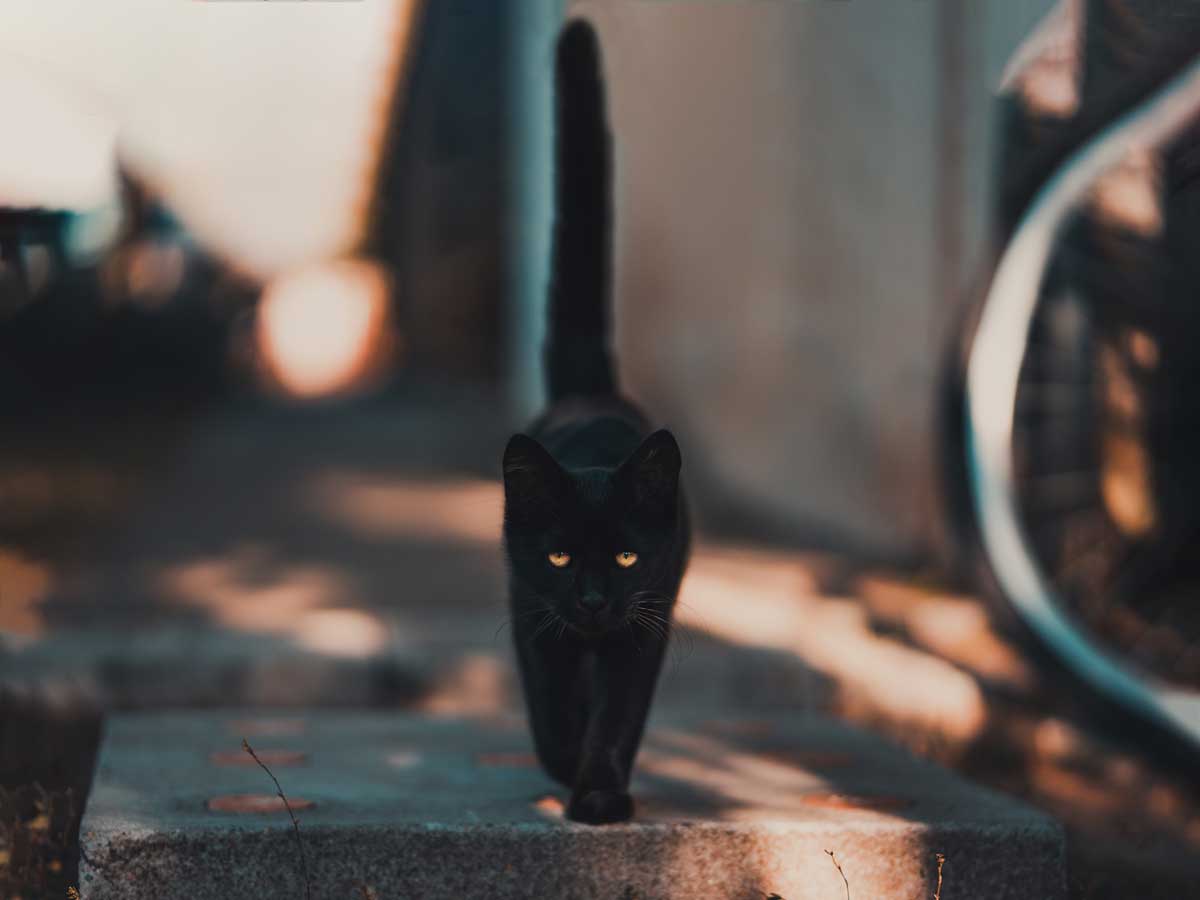
Is it Bad Luck to Give...?
E
ver since the dawn of time man has had a superstitious streak. Superstitions were often taken as fact and many of these beliefs remain to this day. All cultures (even the most primitive) have some form of gift giving at special occasions and superstitions have come along with these practices. Not all these superstitions are of the negative kind but if we are not aware, there is the occasional danger of doing a cultural faux pas when gifting.
Of course, the West is not immune from superstitious beliefs, but I would be extra careful when buying presents for people of European or Asian cultures. It would be wise to first consult Wikipedia’s page at Wikipedia
You would think that giving a set of expensive knives to someone would be greatly appreciated, but giving a knife set to lovers or the newly married means the end of that relationship will happen soon.
Gifting sharp objects like scissors and knives to friends could mean the end of that friendship, but there’s a saving grace — if a penny is included and the receiver uses it to pay back the gift giver, all is well.
Many times we give purses or wallets as gifts, but a well-known superstition is that these items must contain some cash, otherwise bad luck will follow and there will be no future money.
People don’t normally give shoes as gifts (there is usually a problem knowing shoes sizes) but if you do so at Christmas the belief is that the person will soon walk away from you.
Opening an umbrella indoors is considered bad luck, so if you give one, make sure it isn’t opened and admired inside the home. (This seems more to be bad luck for people who sell the umbrellas — how else can you see what it looks like?)
This website’s page tells you more about cultural intricacies of relationships. liveabout.com
When giving roses, make sure the long stemmed ones don’t have thorns — otherwise the relationship will suffer — especially if the giftee injures their hand receiving them.
In Russia, giving someone yellow flowers means that you're cursing them with infidelity.
A bottle of wine, salt and loaf of bread presented to a new home owner is welcomed as bringing good luck and never needing to worry about a lack of food in the house.
If you’re having a very good or lucky day and you are given money, keep it safe for it is considered “good luck” money. (We’d buy a lottery ticket with it.)
It is best to know a little bit of these gifting superstitions but if neither person believes any of this stuff then go on and give whatever you feel is a suitable gift and ignore any of this superstitious nonsense!
Copy these prompts. Paste them into your favorite AI application. Get more information.

Deepening Cultural Understanding
"What are other common gift-giving superstitions in Asian cultures, like China, Japan, and Korea? Focus on items, colors, and numbers to avoid."
"Explain the historical or cultural origins behind some of these superstitions, like why giving a knife can symbolize severing a relationship or why yellow flowers mean infidelity in Russia."
"Are there superstitions about the act of receiving a gift, not just giving one? For example, are there rules about how or when to open a gift in certain cultures."
Expanding the List of Items & Symbols
"List more everyday items (beyond knives, purses, and umbrellas) that are considered unlucky or lucky to give as gifts in various cultures. Include items like clocks, handkerchiefs, or plants."
"What are considered universally 'safe' or 'good luck' gifts across many cultures for housewarmings, weddings, or new businesses."
"Besides four-leaf clovers and ladybugs, what other symbols or animals (like dragons, elephants, or specific birds) are considered auspicious gifts in different parts of the world."
Practical Application & Exceptions
: "How can I politely navigate or 'neutralize' a gift taboo if I've already bought something potentially problematic (like a knife set)? Are there rituals or phrases to use when presenting it."
"In modern, multicultural societies, how seriously are these gift-giving superstitions still taken? Are younger generations more likely to ignore them."
"What should I absolutely avoid giving as a gift when traveling to or doing business in [specific country, e.g., Italy, India, Brazil]."
Broader Context
"How do gift-giving superstitions compare between Western cultures (like the US and UK) and Eastern cultures? What are the key differences in mindset."
"Is there a connection between gift-giving superstitions and the broader concept of 'feng shui' or similar harmony-based philosophies."
"Where can I find reliable, well-researched guides or databases on international gift-giving etiquette and taboos for different occasions."
Some suggested AI sites are: ChatGPT, Claude.ai, Perplexity.ai, Deepseek and others.
By JM Pietron
Photo Credits: See Acknowledgements